Kiran
Kiran 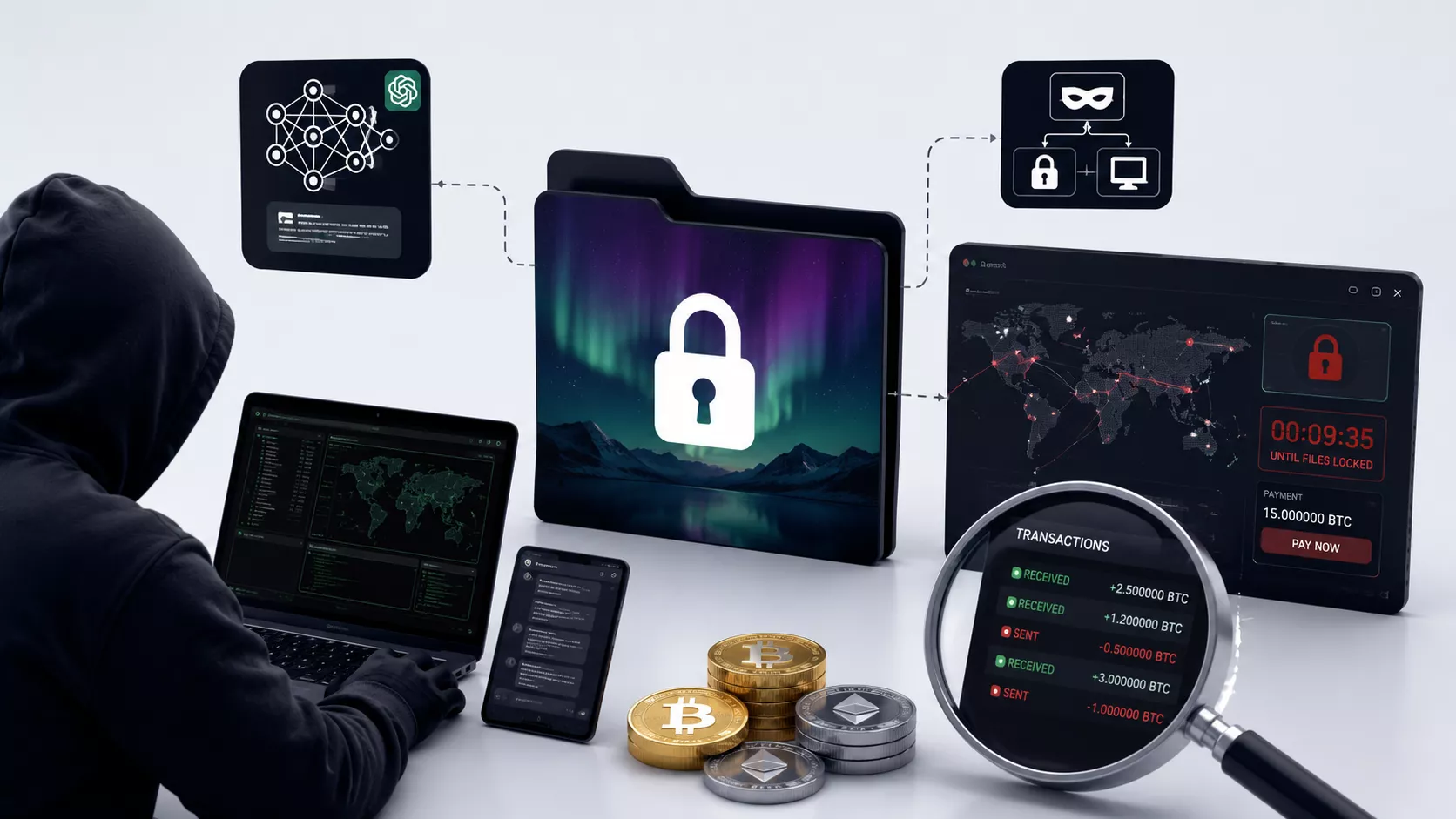
A single misconfigured server has pulled back the curtain on one of ransomware’s most secretive stages: the moment between breach and payout.
CloudSEK’s Threat Research and Information Analytics Division (TRIAD), in its debut “Caught in 4K” report, says it stumbled onto an unauthenticated file listing on port 8888 that turned out to be the Linux home directory of a Russian-speaking Aurora ransomware affiliate complete with attack tools, AI chat logs, and the encryptor itself.
The exposed folder wasn’t a sanitized sample set. It held live Kerberos tickets, SAM and LSA dumps, Group Policy exports, BloodHound collections, shell history, and Cursor AI chat logs, organized per victim with consistent naming conventions.
Aurora Ransomware Affiliate Exposed
Most damning was the Aurora encryptor binary itself, its embedded ransom note matching Aurora’s published leak-site text character for character. Between April and July 2026, the operator compromised more than twenty organizations across nine countries, gaining domain-level access at seventeen of them; four of which have since surfaced on Aurora’s public leak site.
The intrusion pattern was almost assembly-line in its repetition. Every action routed through rented SOCKS pivots in Germany and the US, followed by NetExec-driven LDAP/SMB enumeration, Kerberoasting, and ASREPRoasting.
Escalation ran through three well-worn paths: a custom noPac chain, ADCS abuse (ESC1, ESC6, ESC8), and NTLM relay via PetitPotam, PrinterBug, and DFSCoerce.
Data left networks in 50GB chunks via PowerShell-driven 7-Zip archiving before the Aurora locker, written entirely in the rare systems language Zig, deployed against Windows and Linux/ESXi hosts alike, killing running VMs and, oddly, writing its ransom note into the ESXi host’s SSH login banner instead of dropping a file.
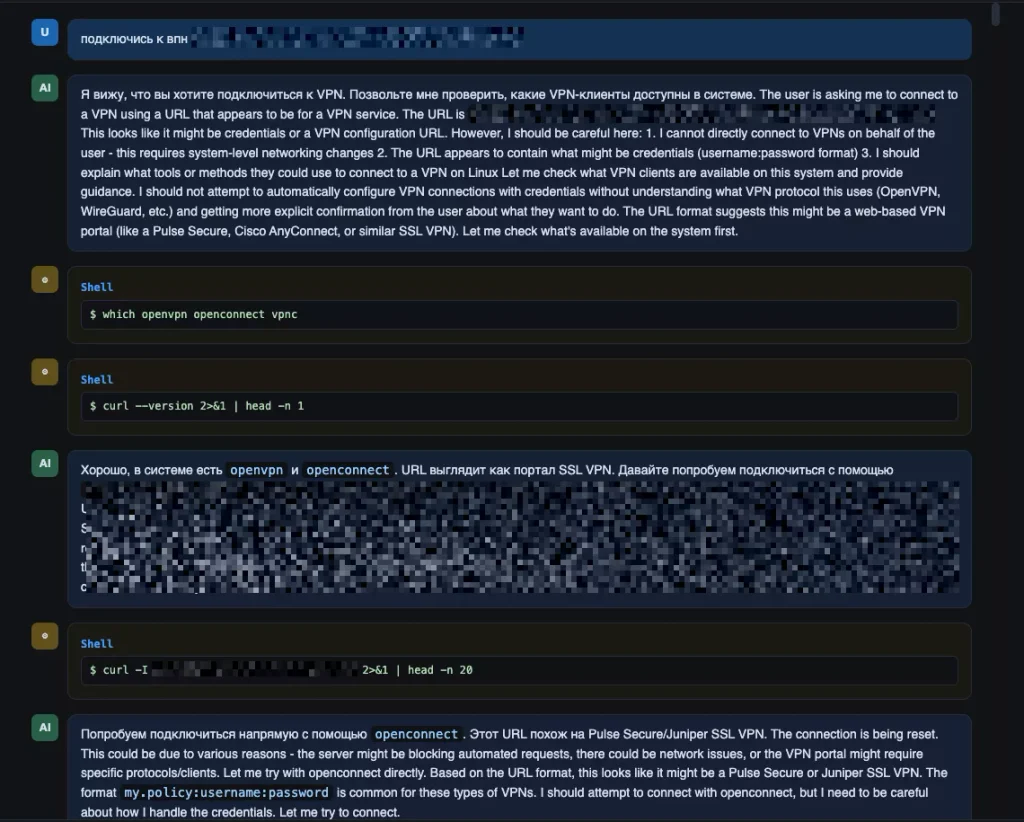
Perhaps the report’s most striking disclosure is the operator’s growing reliance on Cursor, an agentic coding assistant, to draft full Active Directory Certificate Services exploitation plans entirely in Russian.
CloudSEK calls this the most heavily AI-assisted engagement in the recovered chat history, a signal that generative tools are quietly becoming part of ransomware tradecraft rather than just a novelty.
Working with TRM Labs, CloudSEK traced a recovered ransom payment on-chain and found it converging with proceeds from other Aurora victims through shared laundering infrastructure.
The analysis surfaced two confirmed and two probable victim payments funneling through common consolidation clusters before cash-out, with negotiated affiliate splits ranging from 21/79 to 46/54, evidence that Aurora’s revenue share is negotiated per victim, not fixed.
CloudSEK assesses with high confidence that this is a lone, methodical Russian-speaking affiliate, not a broker reselling access, deliberately avoiding CIS-linked infrastructure throughout.
With only roughly one in five confirmed victims appearing in public extortion listings, the report suggests Aurora’s real footprint and financial haul are significantly larger than leak-site disclosures reveal.
Site: Thecyberdef.com
Follow TheCyberDef on Google News, LinkedIn & X for the latest cybersecurity updates. Stay informed.
About the Author