AWS Fixes Critical SSRF Vulnerability in MCP Gateway Registry Allowing Internal Network Access
 Hari
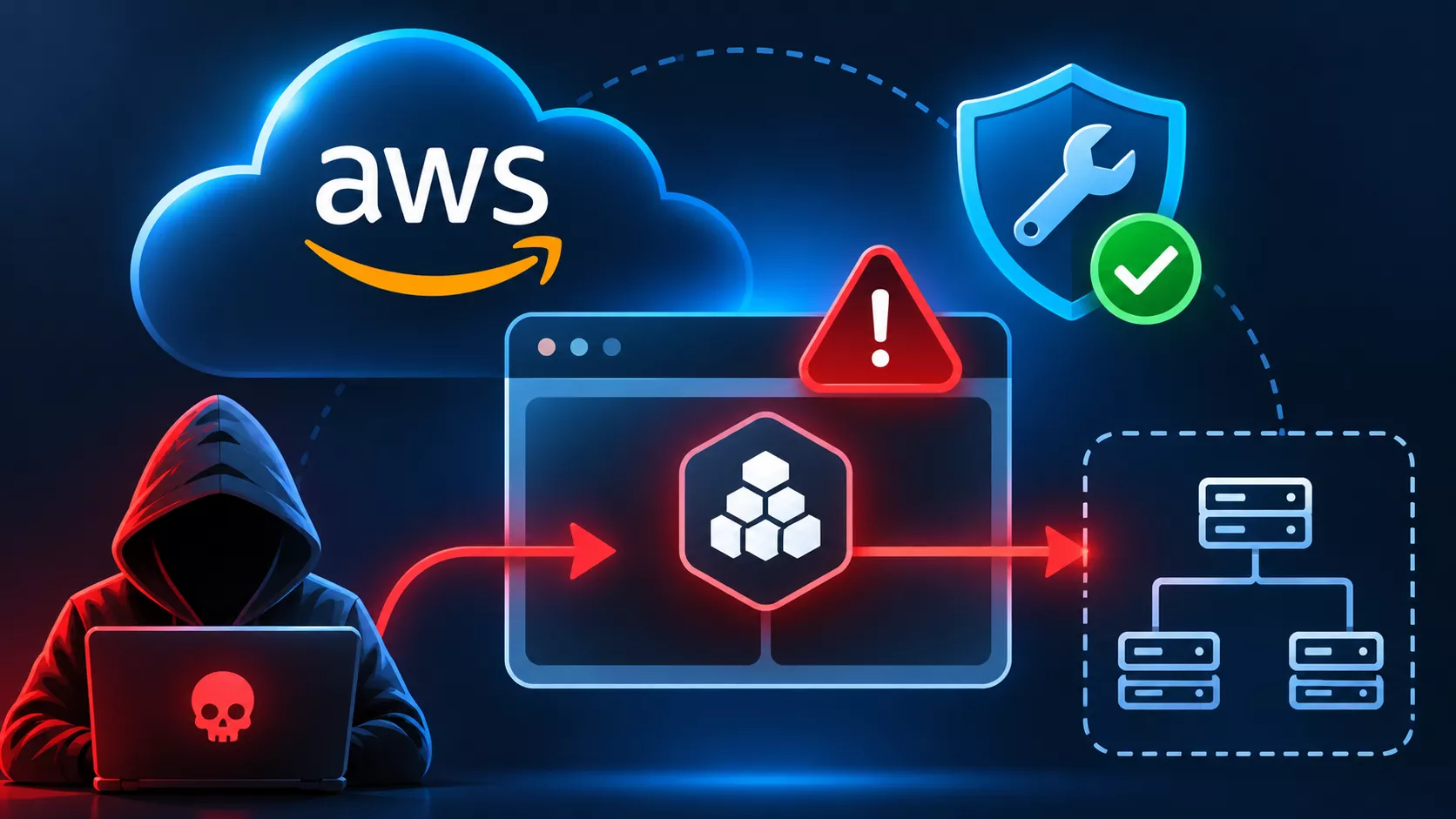
AWS has patched CVE-2026-125926, a server-side request forgery (SSRF) defect in mcp-gateway-registry, the open-source control plane that centralizes discovery, access control, and proxying for Model Context Protocol (MCP) tool servers.
The flaw, mapped to the CWE-918 class, sits in the registration and update API. AWS published the fix under Bulletin ID 2026-180-AWS on November 11, 2026, and rated it Important.
AWS Fixes Critical SSRF Vulnerability in MCP Gateway Registry
The root cause is insufficient validation of the upstream address supplied when a server is registered or modified. An authenticated principal holding register or modify permissions could set that address to an arbitrary internal destination.
The gateway then issued outbound requests from its own network position, which let the request cross the trust boundary between the registry and services that were never meant to be reachable from user-controlled input.
The impact goes beyond a blind request primitive. AWS confirmed that in some cases the gateway reflected upstream responses back to the caller, turning the defect into a non-blind SSRF that can disclose data from internal HTTP services.
When the registry runs with an attached cloud role, response reflection raises the possibility of harvesting temporary credentials from the instance metadata service. Gateways that broker agent traffic also hold a privileged identity, which is why AI agent infrastructure keeps drawing this kind of attacker attention.
The affected range runs from v1.0.3 through 1.34.0. Version 1.35.0 adds validation of upstream addresses at registration and modification time.
Administrators should note the sequencing caveat in the bulletin: an unrelated flaw in the external management API was fixed in 1.25.0, but a deployment on 1.25.0 or later stays exposed to CVE-2026-125926 until it reaches 1.35.0. Forks and derivative code must also be patched manually to carry the new validation logic.
The upgrade does not clean up existing state, because 1.35.0 leaves previously stored server configurations unchanged. A poisoned upstream entry written before the upgrade therefore survives it. Teams should audit every registered upstream address and remove anything unintended.
They should also review application logs from the affected window for unexpected registration and update events, the same identity-abuse pattern seen when attackers exploit delegated agent consent. If the log review cannot rule out malicious activity and the registry had an attached cloud role, review that role’s CloudTrail activity and rotate its credentials.
For deployments that cannot upgrade immediately, AWS recommends compensating controls that reduce the blast radius. Limit server registration and modification rights to trusted accounts. Apply egress filtering to the registry and auth-server components so they reach only required destinations.
On Amazon EC2, enforce IMDSv2 and scope each component’s role to least privilege. These measures narrow exposure but do not replace the post-upgrade audit, and incidents involving third-party AI infrastructure show how quickly a single exposed integration point can spread into downstream customer data.
Site: Thecyberdef.com
Follow TheCyberDef on Google News, LinkedIn & X for the latest cybersecurity updates. Stay informed.
About the Author