 Kiran
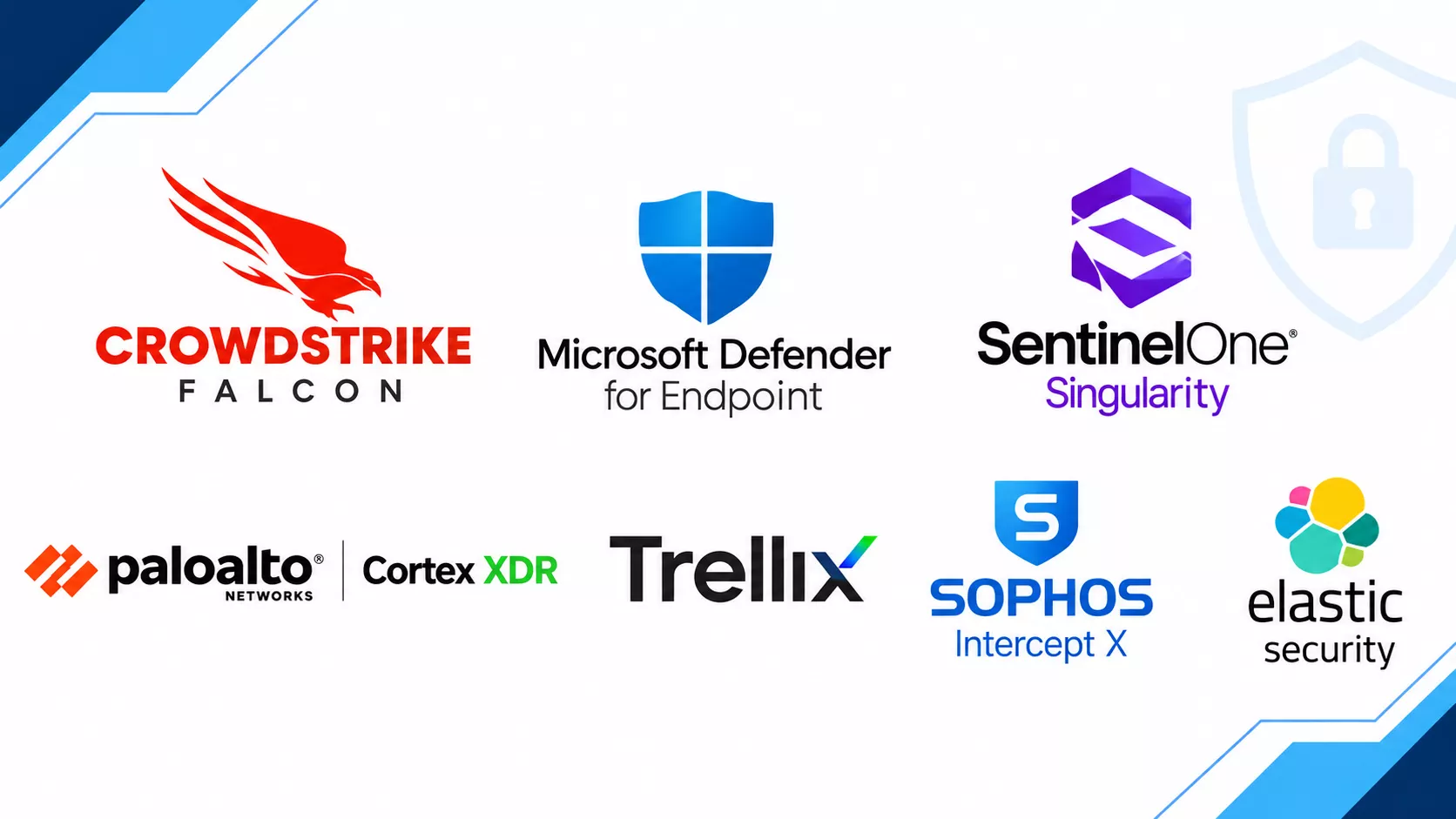
EDR tools continuously record activity on endpoints such as laptops, servers and virtual machines. They analyze that telemetry for suspicious behavior, alert your team, and let analysts investigate and contain threats quickly, for example, by isolating a device from the network with one click.
Traditional antivirus asks, “Is this file known to be bad?” EDR asks, “Is this behavior suspicious?” That difference matters against fileless attacks, ransomware precursors, credential theft and lateral movement. For a deeper framework on how attackers operate, the MITRE ATT&CK knowledge base is the industry reference, and most EDR vendors map their detections to it.
Enterprises also face compliance pressure. Frameworks such as NIST, ISO 27001, PCI DSS and cyber insurance questionnaires increasingly expect continuous endpoint monitoring and documented incident response capability. The NIST Cybersecurity Framework is a useful starting point for mapping those requirements.
Key Features to Look for in an Enterprise EDR
Before comparing vendors, agree on your criteria. These are the factors that separate strong platforms from average ones:
- Detection quality: Behavioral analytics, machine learning and threat intelligence working together, with low false-positive rates.
- Response speed: Host isolation, process kill, file quarantine and remote shell access without needing to touch the device.
- Visibility and threat hunting: Searchable telemetry history so analysts can hunt for indicators across thousands of endpoints.
- Platform coverage: Windows, macOS, Linux, servers, containers and cloud workloads.
- Integration: Native links to your SIEM, SOAR, identity and email security tools.
- Managed services: Optional 24/7 managed detection and response (MDR) if your team lacks round-the-clock staffing.
- Performance impact: A lightweight agent that doesn’t slow down user machines.
- Independent validation: Results from third-party testing such as MITRE Engenuity ATT&CK Evaluations and analyst reports like the Gartner Magic Quadrant for Endpoint Protection Platforms.
Best EDR Solutions for Enterprise Security
The market is crowded, but a handful of vendors consistently appear on enterprise shortlists. Capabilities change quickly, so always confirm current features with a proof of concept.
1. CrowdStrike Falcon
CrowdStrike Falcon is often the first name that comes up in enterprise EDR conversations. It is a cloud-native platform with a single lightweight agent, strong threat intelligence and a large threat-hunting service. Its Falcon Complete MDR offering is popular with organizations that want experts handling response. The trade-off is cost: Falcon is typically priced at the premium end, and add-on modules can raise the total.
Best for: Large enterprises that want top-tier detection and mature managed services.
2. Microsoft Defender for Endpoint
Microsoft Defender for Endpoint is a natural fit if you already run Microsoft 365 E5 or a Microsoft-centric stack. Its integration with Entra ID, Defender for Office 365 and Microsoft Sentinel gives analysts a unified view of identity, email and endpoint activity. Coverage on Windows is excellent, and cross-platform support has improved steadily. Teams outside the Microsoft ecosystem may find the portal complex.
Best for: Organizations already invested in Microsoft licensing and tooling.
3. SentinelOne Singularity
SentinelOne Singularity stands out for autonomous, on-agent AI that can detect and remediate threats even when a device is offline. Its rollback capability for ransomware damage is a frequent selling point. The console is clean, and the platform extends into cloud and identity security. Some teams report a learning curve when tuning policies for large, varied environments.
Best for: Lean security teams that value automation and fast, autonomous response.
4. Palo Alto Networks Cortex XDR
Cortex XDR goes beyond endpoints by correlating network, cloud and identity data alongside endpoint telemetry. If you already use Palo Alto firewalls, the integration can shorten investigation times. It is a strong choice for mature SOCs that want extended detection and response in one place, though it can be heavier to deploy and manage than simpler tools.
Best for: Enterprises with existing Palo Alto infrastructure and an experienced SOC.
5. Trellix Endpoint Security
Trellix (formed from the McAfee Enterprise and FireEye merger) offers broad endpoint protection with deep roots in threat research and incident response. It suits large organizations with complex, hybrid environments and legacy requirements.
Best for: Enterprises migrating from McAfee or needing flexible on-prem and cloud deployment.
6. Sophos Intercept X with MDR
Sophos pairs strong endpoint protection with a well-regarded managed detection and response service. It is often attractive to mid-sized enterprises that want solid security without building a large internal team.
Best for: Mid-market and distributed organizations needing MDR alongside EDR.
7. Elastic Security
Elastic Security is a good option for teams that want open, flexible tooling and already use the Elastic Stack for logging and search. It rewards technical teams who like customization but demands more hands-on effort.
Best for: Engineering-driven security teams that want transparency and control.
Quick Comparison
| Solution | Standout Strength | Ideal Buyer |
|---|---|---|
| CrowdStrike Falcon | Threat intel and managed hunting | Large enterprises |
| Microsoft Defender for Endpoint | Microsoft ecosystem integration | Microsoft-centric orgs |
| SentinelOne Singularity | Autonomous response and rollback | Lean security teams |
| Cortex XDR | Cross-domain correlation | Mature SOCs |
| Trellix | Hybrid and legacy flexibility | Complex environments |
| Sophos Intercept X | MDR value | Mid-market |
| Elastic Security | Open and customizable | Technical teams |
How to Choose the Right EDR for Your Enterprise
No single product wins in every scenario. Use this process to decide:
- Define your threat model. Are you worried about ransomware, insider threats, nation-state activity, or all three?
- Assess your team. If you cannot staff a 24/7 SOC, prioritize MDR options. If you have strong analysts, prioritize hunting depth and API access.
- Map your existing stack. Integration with your identity provider, SIEM and firewall saves months of effort.
- Run a proof of concept. Deploy two or three finalists on a representative sample of endpoints, then simulate attacks using frameworks like Atomic Red Team.
- Calculate total cost. Include licensing, add-on modules, MDR fees, storage retention and staff time, not just per-endpoint pricing.
- Check vendor stability and support. Ask about response times, roadmap and customer references in your industry.
Common EDR Mistakes to Avoid
Buying a great tool does not guarantee great security. Watch out for these pitfalls:
- Deploying agents but leaving them in detect-only mode permanently.
- Ignoring alert tuning, which leads to analyst fatigue.
- Skipping coverage of servers and unmanaged devices.
- Failing to rehearse incident response playbooks.
- Treating EDR as a replacement for patching, MFA and least-privilege access.
The CISA cybersecurity best practices pages offer practical guidance on pairing endpoint tools with broader defenses.
Final Thoughts
The best EDR solution for enterprise security is the one your team can operate effectively every day. CrowdStrike Falcon, Microsoft Defender for Endpoint and SentinelOne Singularity are the most frequent finalists, while Cortex XDR, Trellix, Sophos and Elastic serve specific needs well. Start with your requirements, validate with a hands-on trial, and measure success by how quickly you can detect and contain real threats.
Invest in the people and processes around the tool, and your EDR will do far more than check a compliance box. It will shorten attacker dwell time and protect the business when it matters most.
FAQs
What is the difference between EDR and antivirus? Antivirus mainly blocks known malicious files. EDR monitors behavior continuously, records endpoint activity and enables investigation and response.
What is the difference between EDR, XDR and MDR? EDR focuses on endpoints. XDR extends detection across email, network, cloud and identity. MDR is a managed service where experts run detection and response for you.
How much does enterprise EDR cost? Pricing varies by vendor, endpoint count and modules. Request quotes and compare total cost, including MDR and data retention.
Can small teams manage EDR in-house? Yes, if the platform offers strong automation, but many small teams choose MDR for round-the-clock coverage.
About the Author

 Hari