 Kiran
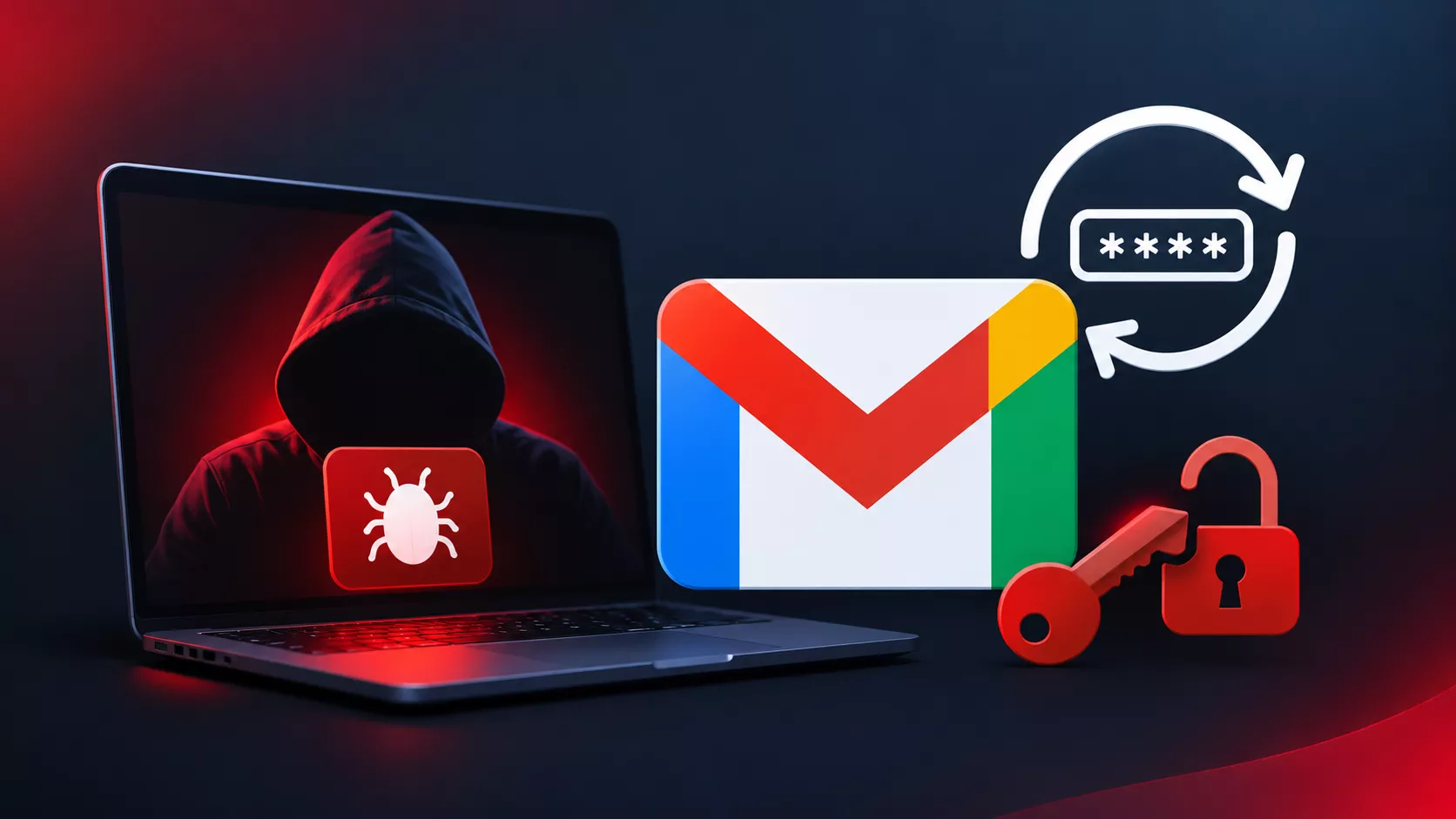
Remus Stealer is advertising a way for criminals to open a compromised Gmail inbox straight from a stolen-device record. Its operator claims the access survives password resets and session revocation.
Hudson Rock reviewed the version 1.3.9 announcement, questioned the developer, and interviewed a customer who publicly endorsed the feature. Their accounts point to access set up through an infected endpoint. They do not confirm a Gmail zero-day.
The Enterprise-only feature costs $1,000 per month. It promotes email-code interception without collecting browser cookie files, and it adds shareable mailbox links.
Remus Stealer Sells Persistent Gmail Access
The screenshots show more than a code extractor. They show a webmail-style viewer with senders, subject lines, timestamps, search, and a Mail action attached to each stolen-device record. The sharing function gives other operators access to a mailbox that has already been compromised. Nothing shows a victim being infected through those links.
Remus is a commodity stealer, and mailbox reading is one more action in the log-triage workflow. Infostealers are already moving into new data classes. Stealers now harvest AI agent tokens, MCP configurations and prompt histories, which shows how quickly operators broaden what they collect.
The developer cited interaction with browser memory and said the executable runs and exits. He withheld further detail. The customer said mail stayed visible after a session reset, browser closure and a Google password change.
He also said he saw verification messages from several services, including ones dated to the initial “injection.” He gave no account settings, timestamps or revocation records. As a paying user, he is also an interested source.
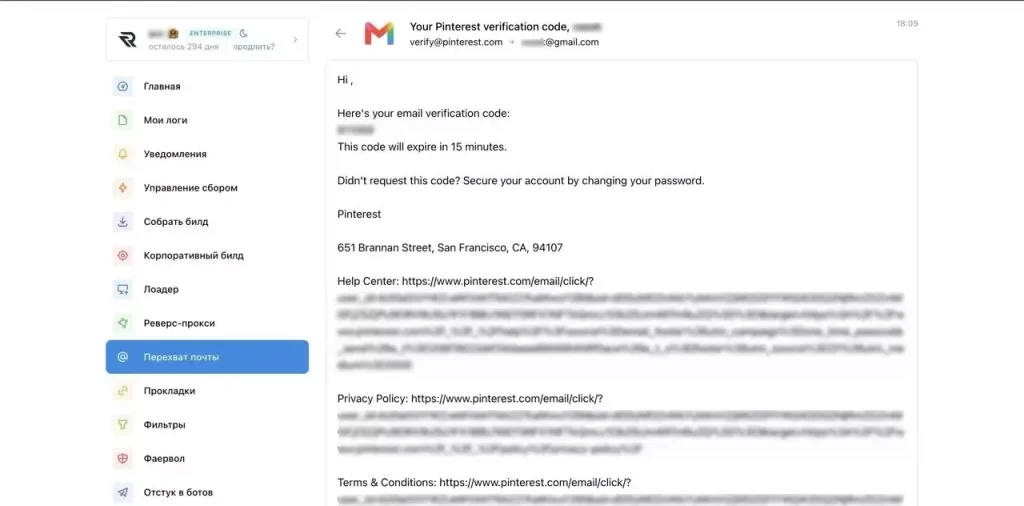
The most plausible model is that Remus obtains or creates reusable authorization while it has access to a signed-in browser. A remote component then requests mail after the local process ends.
This is an inference. No cookie, OAuth token, API call, injection method or account-setting change has been identified. Avoiding cookie files on disk does not rule out in-memory cookies or other browser-held authorization.
Google’s documentation says a password change normally revokes OAuth 2.0 access and refresh tokens that carry mail scopes. Apps Script applications are excluded.
OAuth-authenticated IMAP sessions persist only until the access token expires, usually after about an hour. Google’s OAuth revocation guidance gives these details, but nothing shows Remus uses any of those paths. Hudson Rock also lists other explanations.
These include a secondary mail-routing path, incomplete revocation, a second component still running on the endpoint, or a panel showing mail collected earlier.
Access after process exit and access after recovery are separate claims. Token reuse explains the first. It does not explain the second once that authorization has been effectively revoked. Stolen session material is a known pattern, and AiTM phishing that steals MFA session tokens shows how a captured cookie can bypass the password and second factor.
A credible test would use an authorized mailbox and an instrumented endpoint. Investigators would record malware and browser activity, then run recovery from a separate clean device.
They would then need a message delivered after the password change and revocation, and evidence of that same message appearing in Remus. The reporting contains no such sequence, malware analysis or network telemetry.
If a new message surfaces after full recovery, an operator could collect fresh recovery links and verification codes for further account takeovers. The screenshots do not show a universal MFA bypass or the ability to send mail.
Defenders should isolate the infected endpoint and preserve evidence. From a clean device, they should change credentials, review signed-in devices, and revoke sessions and application access.
They should also inspect forwarding rules, filters, delegation, recovery methods and recent security activity. Services that depend on the mailbox for sign-in or recovery need review next. Teams should treat the stealer as an intrusion that may feed resale-oriented follow-on activity, not as a one-time credential loss.
Hudson Rock does not classify the feature as a demonstrated Gmail zero-day. A password change is essential, but it cannot replace investigating the endpoint, the account authorization and the mailbox together.
About the Author