 Kiran
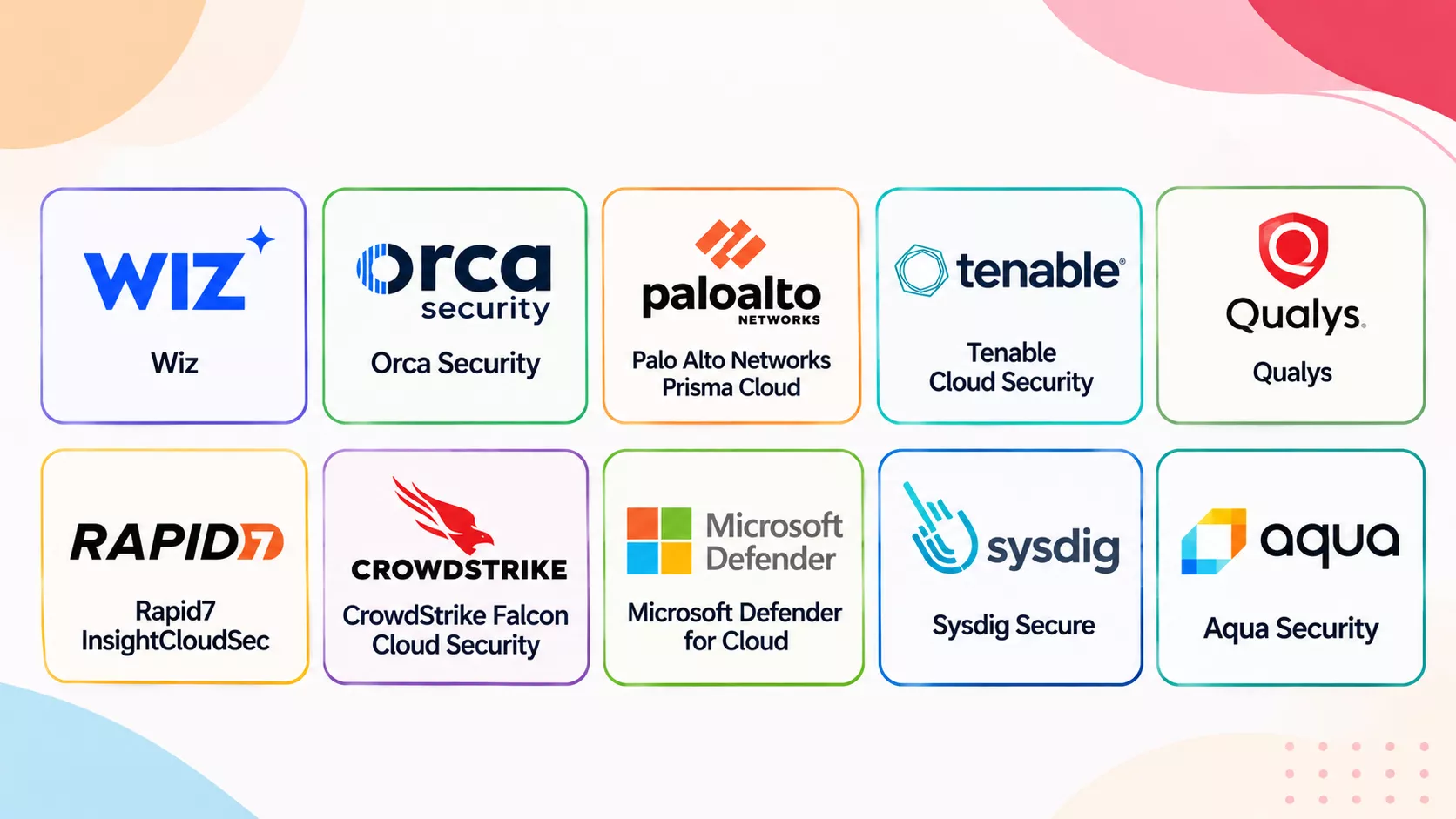
Cloud vulnerability scanning platforms solve this by continuously inspecting virtual machines, containers, Kubernetes clusters, serverless workloads, and cloud configurations. The best ones also show which findings are exploitable, so security teams fix what matters first instead of working through a flat list of thousands of CVEs.
This guide covers the 10 best cloud vulnerability scanning platforms for enterprise environments, what each does well, and how to choose between them.
What Is a Cloud Vulnerability Scanning Platform?
A cloud vulnerability scanning platform automatically discovers cloud assets and checks them for known software flaws, insecure configurations, exposed secrets, and risky permissions. Most modern tools connect to AWS, Azure, and Google Cloud through APIs. Many also scan workloads without installing agents.
Enterprise-grade platforms usually add:
- Continuous asset discovery across multi-cloud accounts
- Risk-based prioritization using exploitability and exposure
- Container and Kubernetes image scanning
- Infrastructure-as-code (IaC) checks before deployment
- Compliance mapping for CIS, PCI DSS, HIPAA, SOC 2, and NIST
- Integrations with ticketing, CI/CD pipelines, and SIEM tools
If you are building a broader program around scanning, our guide to the best vulnerability management platforms for enterprise security explains how scanning fits into the full remediation lifecycle.
How We Chose These Platforms
We evaluated each platform on the criteria enterprise buyers care about most:
- Coverage: support for multi-cloud, containers, Kubernetes, and serverless
- Accuracy: how well it reduces false positives and shows real risk
- Scalability: ability to handle thousands of accounts and workloads
- Integration: fit with DevOps pipelines and existing security tooling
- Compliance support: built-in frameworks and audit reporting
Quick Comparison
| Platform | Best For | Scanning Approach |
|---|---|---|
| Wiz | Multi-cloud risk visibility | Agentless |
| Orca Security | Fast deployment, full-stack coverage | Agentless (SideScanning) |
| Palo Alto Prisma Cloud | Large, complex enterprises | Agent and agentless |
| Tenable Cloud Security | Teams already using Tenable | Agentless plus CIEM |
| Qualys | Compliance-heavy organizations | Agent and agentless |
| Rapid7 InsightCloudSec | Cloud governance and automation | API-based |
| CrowdStrike Falcon Cloud Security | Unified endpoint and cloud defense | Agent and agentless |
| Microsoft Defender for Cloud | Azure-centric environments | Native, agent and agentless |
| Sysdig Secure | Runtime and container security | Agent-based with runtime context |
| Aqua Security | Cloud-native application protection | Agent and agentless |
1. Wiz
Wiz has become one of the most recognized names in cloud security. Google completed its acquisition of the company in March 2026, and Wiz continues to operate under its own brand while supporting AWS, Azure, Google Cloud, and Oracle Cloud. Its core strength is a graph-based view that connects vulnerabilities, identities, network exposure, and data into one picture of real risk.
- Scanning method: Agentless scanning of workloads, containers, and serverless functions
- Key features: Security graph, attack path analysis, vulnerability and secrets detection, IaC scanning, data security posture management
- Prioritization: Highlights toxic combinations, such as an internet-exposed VM with a critical flaw and excessive permissions
- Best for: Enterprises that need fast visibility across several cloud providers
- Consider: Pricing is typically aimed at larger organizations
Official site: wiz.io
2. Orca Security
Orca built its reputation on SideScanning, a technology that reads the runtime block storage of cloud workloads instead of installing agents. That makes onboarding quick, and coverage reaches assets that agents often miss.
- Scanning method: Agentless SideScanning, with optional sensor for runtime protection
- Key features: Vulnerability scanning, malware detection, misconfiguration checks, sensitive data discovery, CIEM, shift-left scanning for code and pipelines
- Prioritization: Contextual risk scoring that factors in exposure, privileges, and data sensitivity
- Best for: Teams that want broad coverage without rolling out agents
- Consider: Deep runtime defense may need the optional sensor
Official site: orca.security
3. Palo Alto Networks Prisma Cloud
Prisma Cloud is one of the broadest cloud-native application protection platforms (CNAPP) on the market. It covers the full lifecycle from code to cloud to runtime, which suits large enterprises that want fewer vendors.
- Scanning method: Agent-based and agentless, plus code and registry scanning
- Key features: Cloud security posture management, workload protection, container and Kubernetes security, IaC scanning, API security, data security
- Prioritization: Risk scoring that combines vulnerabilities, exposure, and runtime signals
- Best for: Large enterprises running complex, multi-cloud environments with strict governance needs
- Consider: The breadth can mean a steeper learning curve and longer rollout
Official site: paloaltonetworks.com/prisma/cloud
4. Tenable Cloud Security
Tenable is best known for Nessus, and its cloud security offering extends that vulnerability expertise into cloud posture, identity, and workload risk. It fits naturally for organizations that already manage on-prem exposure with Tenable.
- Scanning method: Agentless scanning with cloud infrastructure entitlement management (CIEM)
- Key features: Vulnerability and misconfiguration detection, identity and permission analysis, IaC scanning, Kubernetes security posture, compliance reporting
- Prioritization: Vulnerability Priority Rating (VPR) that uses threat intelligence to rank exploit likelihood
- Best for: Enterprises wanting one vendor for hybrid, on-prem, and cloud exposure
- Consider: Strongest when paired with the wider Tenable ecosystem
Official site: tenable.com/products/tenable-cloud-security
5. Qualys
Qualys has offered cloud-based vulnerability management for over two decades, and its cloud security capabilities continue that heritage. It is a frequent choice for regulated industries because of its mature compliance and reporting features.
- Scanning method: Cloud agents, network scanners, and agentless snapshot-based scanning
- Key features: Vulnerability management, cloud security posture management, container and Kubernetes scanning, patch management, policy compliance
- Prioritization: TruRisk scoring that combines vulnerability severity, asset criticality, and threat context
- Best for: Compliance-driven enterprises needing detailed audit evidence
- Consider: The interface can feel dense for new users
Official site: qualys.com
6. Rapid7 InsightCloudSec
Rapid7 InsightCloudSec focuses on continuous compliance and automated cloud governance. It is well suited to teams that want to enforce policy and remediate misconfigurations automatically, alongside vulnerability findings from the wider Rapid7 platform.
- Scanning method: API-based discovery with integration into Rapid7 vulnerability tooling
- Key features: Misconfiguration detection, identity analysis, Kubernetes security, IaC scanning, automated remediation through bots and workflows
- Prioritization: Context from cloud configuration and exposure data
- Best for: Organizations that want automation-driven cloud governance
- Consider: Workload-level scanning depth depends on how it is paired with other Rapid7 products
Official site: rapid7.com/products/insightcloudsec
7. CrowdStrike Falcon Cloud Security
CrowdStrike extends its endpoint heritage into the cloud with Falcon Cloud Security. It combines vulnerability scanning with threat detection, which helps teams link a weakness to active adversary behavior. If you already run Falcon on endpoints, our roundup of the best EDR solutions for enterprises shows how that foundation compares with alternatives.
- Scanning method: Lightweight agent and agentless snapshot scanning
- Key features: Cloud workload protection, posture management, container and Kubernetes security, identity threat detection, adversary-focused threat intelligence
- Prioritization: Combines vulnerability data with real-world attacker activity
- Best for: Enterprises that want endpoint and cloud security on a single platform
- Consider: Greatest value comes from adopting the broader Falcon platform
Official site: crowdstrike.com/platform/cloud-security
8. Microsoft Defender for Cloud
Microsoft Defender for Cloud is the native option for Azure and also supports AWS and Google Cloud. For organizations already invested in Microsoft’s security stack, it offers tight integration and simple licensing.
- Scanning method: Native agent and agentless scanning for virtual machines, containers, and registries
- Key features: Cloud security posture management, vulnerability assessment, regulatory compliance dashboards, Defender for Servers and Containers, attack path analysis
- Prioritization: Secure Score and attack path context
- Best for: Azure-first organizations and Microsoft 365 enterprises
- Consider: Multi-cloud depth may trail dedicated third-party platforms
Official site: Microsoft Defender for Cloud
9. Sysdig Secure
Sysdig is built around runtime insight. It uses open-source Falco technology to monitor what is actually running, so teams can separate vulnerabilities in loaded, active packages from those that never execute.
- Scanning method: Agent-based runtime visibility with image and registry scanning
- Key features: Container and Kubernetes vulnerability scanning, runtime threat detection, CIEM, posture management, drift control
- Prioritization: Flags vulnerabilities in packages in use at runtime, which cuts remediation noise
- Best for: Container-heavy, Kubernetes-first organizations
- Consider: Agent deployment is needed to get the full runtime benefit
Official site: sysdig.com
10. Aqua Security
Aqua Security is a long-standing specialist in cloud-native security. It protects applications from development through production, with strong coverage for containers, Kubernetes, and serverless workloads.
- Scanning method: Agent-based and agentless scanning with supply chain checks
- Key features: Image and registry vulnerability scanning, CSPM, Kubernetes security, software supply chain security, runtime protection, IaC scanning
- Prioritization: Context-aware risk scoring across code, build, and runtime stages
- Best for: DevSecOps teams securing the full cloud-native pipeline
- Consider: Best suited to organizations with mature container adoption
Official site: aquasec.com
How to Choose the Right Cloud Vulnerability Scanning Platform
No single tool fits every enterprise. Use these questions to narrow your shortlist.
- Which clouds do you run? Multi-cloud estates favor Wiz, Orca, or Prisma Cloud. Azure-heavy shops may start with Microsoft Defender for Cloud.
- Do you prefer agents or agentless? Agentless tools deploy faster, while agents provide deeper runtime detail. Many enterprises combine both.
- How mature is your DevOps pipeline? If you ship containers daily, prioritize Kubernetes scanning and CI/CD integration.
- What compliance frameworks apply? Check for built-in mapping to PCI DSS, HIPAA, SOC 2, and ISO 27001.
- Where will findings go? Scan results are far more useful when they feed your detection stack. Pairing scanners with one of the top next-generation SIEM platforms helps correlate vulnerabilities with live threat activity.
Best Practices for Cloud Vulnerability Scanning
- Scan continuously, not quarterly. Cloud assets change too quickly for periodic checks.
- Prioritize by exploitability and exposure. A critical CVE on an isolated test machine matters less than a medium flaw on an internet-facing system.
- Shift left. Scan container images and IaC templates before they reach production.
- Assign clear ownership. Route findings to the team that owns the workload.
- Track mean time to remediate. Measure progress to prove the program works.
- Review identity risk too. Overly permissive roles often cause more damage than software flaws.
Frequently Asked Questions
1. What is the difference between cloud vulnerability scanning and traditional vulnerability scanning?
Traditional scanning targets fixed assets such as servers and network devices on a schedule. Cloud vulnerability scanning handles short-lived resources like containers and serverless functions, connects to cloud provider APIs, and checks configurations and permissions in addition to software flaws.
2. Is agentless scanning as effective as agent-based scanning?
Agentless scanning is faster to deploy and covers assets agents might miss, making it excellent for broad visibility. Agent-based tools generally provide deeper runtime detail. Many enterprises use agentless scanning for coverage and add agents on their most critical workloads.
3. How often should enterprises scan cloud environments?
Continuously, wherever possible. At a minimum, scan whenever new workloads deploy and run full assessments daily. Regulated organizations should also keep scan records to support audits.
4. Do cloud vulnerability scanners replace penetration testing?
No. Scanners detect known weaknesses automatically and at scale, while penetration testing uses human creativity to chain flaws and uncover logic issues that tools miss. The two work best together.
About the Author